
Dentists often take x-rays during a new patient or routine exam. Why do they take dental x-rays? What do dental x-rays show? Beach Dental recommends that yearly oral x-rays be taken during a routine exam to make sure you’re getting the best information about the health of your teeth, gums and mouth.
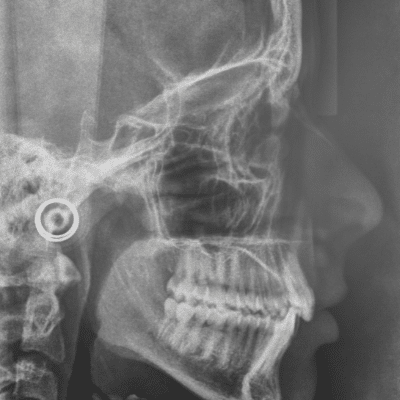 Why do dentists take Dental X-Rays?
At every regularly-scheduled dental exam, the dentist will look inside a patient’s mouth to check the teeth for cavities or signs of other problems. However, there are parts of the teeth and mouth that a dentist can’t see with his eyes alone. Dentists rely on x-ray images to determine the health of the bone and areas of the teeth they would not otherwise be able to see.
What do dental x-rays show?
- Cavities
- Infections
- Developing teeth
- Bone health
- Tumors and cysts
Cavities
While some large cavities are detectable immediately upon a visual examination, other cavities are invisible to the naked eye. Sometimes cavities develop between the teeth or under the gums where they are invisible, and others are small enough to escape detection. Using x-rays, a dentist can diagnose hidden or small cavities and treat them before they become big problems.
Infections
Teeth can develop infections at their root. If not diagnosed or treated, these infections can cause swelling and pain. An x-ray of the root of the tooth can help a dentist determine if an infection requires treatment.
Developing teeth
X-rays show teeth that have not yet erupted or become visible in the mouth. Dentists use x-rays to make sure permanent teeth are developing normally and to check for missing teeth. They may use x-rays to determine if a patient is likely to need orthodontic treatment in the future. Dentists can also see impacted teeth, like wisdom teeth, and determine if they require intervention.
Bone health
While a dentist can examine the gums visually, he cannot see the bone that supports the teeth and gums. Bone health is critical to maintaining good oral health. Dental x-rays show the level and density of the bone structure that supports the teeth. This helps the dentist to determine if the patient needs any special gum treatments. X-rays also help a dentist to determine if a patientpatient’ss healthy enough to support certain dental treatments, like implants.
Tumors and cysts
While rare, a patient can develop tumors or cysts in the jaw bone. A dentist can use a special kind of x-ray, called a panoramic x-ray, to check the entire jaw for abnormal growth.
Dentists use x-rays as an essential diagnostic tool. Dental x-rays reveal much about the health of teeth and the supporting bone and can help you and your dentist make informed treatment choices to keep your smile healthy.
Detecting Early-Stage Issues
Dental x-rays are instrumental in identifying oral health issues in their earliest stages, often before they cause noticeable symptoms. Early detection allows dentists to intervene promptly, preventing problems from escalating. For instance, x-rays can reveal the beginnings of bone loss due to gum disease or small cavities that are not yet visible during a routine examination. This proactive approach minimizes discomfort, reduces the need for extensive treatments, and helps maintain overall oral health.
Planning Complex Procedures
When preparing for complex dental procedures, such as root canals, extractions, or orthodontic treatments, x-rays provide vital information about the internal structures of the mouth. They help dentists map out the precise location of teeth roots, assess bone density, and identify potential complications. This detailed insight ensures that procedures are as effective and minimally invasive as possible, improving patient outcomes and recovery times.
Supporting Pediatric Dental Health
For children, dental x-rays are essential for monitoring the development of their teeth and jaw. X-rays help dentists identify issues such as overcrowding, misalignment, or abnormal eruption patterns. This early insight allows for timely orthodontic referrals or interventions, ensuring that a child’s permanent teeth grow in properly. Additionally, x-rays can spot potential problems with baby teeth, guiding decisions about fillings, extractions, or other treatments.
Addressing Patient-Specific Concerns
Each patient’s dental health is unique, and x-rays allow dentists to tailor their care to individual needs. For example, patients with a history of gum disease or dental implants may require more frequent x-rays to monitor the stability of the bone and tissues. Similarly, x-rays can assist in identifying the source of unexplained pain, swelling, or other symptoms, providing a clear path to diagnosis and treatment. This personalized approach ensures that patients receive the most appropriate care for their specific oral health concerns.
These additional paragraphs highlight the versatile role of dental x-rays in promoting optimal oral health for patients of all ages, emphasizing their value in diagnosis, treatment planning, and preventive care.
The professional team at Beach Dental Center has the skills and experience necessary to determine the best care for you. Contact us at 757-496-0993 or visit us online to get started!