Sleep is essential. Without it, we’re sluggish, less effective, and sometimes a bit more grumpy than usual (just to name a few side effects). Sometimes you aren’t aware that you’re not getting the best sleep you could get, and sleep apnea is a contender for the leading culprit of daytime sleepiness. Not sure if you have sleep apnea? We’ve gone ahead and listed off some common signs that you (or your sleeping partner) may have it.
Pauses in Breathing While Sleeping
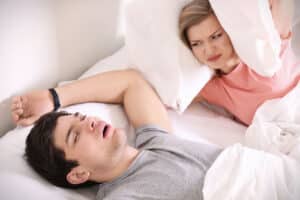 This is a symptom you may not recognize in yourself, since you’re asleep and all. However, your sleeping partner may have better insight in this regard. Of course, that would mean staying awake while you sleep to monitor your breathing, but that is one way to tell if this condition is a concern. Sleep studies are another option to consider.
Shortness of Breath
Many people wake up in the night, so that isn’t always a case. However, waking up in the night with shortness of breath is an indicator that you may suffer from this condition. If this is you, consider getting yourself checked out.
Daytime Fatigue
As an adult, you’re tired–especially if you have children. Being tired is a part of life, but it can also be an indicator of sleep apnea. If, during the day, you are excessively tired or fatigued–no matter how much sleep you got the night before–you may be suffering from this condition. This is due in part because your body isn’t getting the oxygen flow it needs, thus affecting your quality of sleep.
Dry Mouth/Sore Throat
Do you wake up with a dry mouth or a sore throat? Not only is it rather annoying, but it is actually a symptom of this condition. This is caused by sleeping with an open mouth, which in itself is another sign of the problem.
Insomnia, et al.
Insomnia got you up late? Do you wake up a lot in the night? What about a fitful or restless sleep? If this is you…do we really have to say it? Well, we will anyway. We’re not ones for pointing fingers, but sleep apnea is looking mighty suspicious right about now.
Aside from the signs mentioned above, other factors can contribute to sleep apnea, such as being overweight, having a large neck, are middle-aged, or are a male. Remember, though, that people without any of those attributes can also have sleep apnea, but it’s a good indicator that you may be at more of a risk.
Frequent Nighttime Trips to the Bathroom
Waking up multiple times throughout the night to use the bathroom is another possible sign of sleep apnea. This can occur due to the way the body responds to low oxygen levels during sleep. As your breathing pauses, your body may release more urine, causing frequent trips to the bathroom. If this is happening regularly, particularly when combined with other sleep apnea symptoms, it may be a sign of a more serious sleep disorder.
Chest Pain
Experiencing chest pain or discomfort during the night can sometimes be linked to sleep apnea. When your breathing pauses or becomes shallow, your body may react by straining to get air. This can result in discomfort or tightness in your chest. If you experience chest pain while sleeping or upon waking, it’s crucial to seek medical attention immediately to rule out sleep apnea or other heart-related issues.
Teeth Grinding
Teeth grinding, or bruxism, is often linked to sleep apnea. As your body struggles to breathe during sleep, it can lead to muscle tension and the unconscious grinding of your teeth. Over time, this can cause dental problems, including worn-down teeth, jaw pain, or headaches. If you or your partner notice teeth grinding during sleep, it’s worth considering sleep apnea as a potential cause.
Restlessness in Sleep
If you find yourself tossing and turning throughout the night, or waking up feeling like you’ve hardly slept at all, you could be dealing with sleep apnea. This condition often causes people to shift positions or wake up briefly throughout the night as their body struggles to breathe. You may not remember these wakeful moments, but they disrupt the quality of your sleep, leaving you feeling unrested and fatigued during the day.
Impaired Sexual Function
Sleep apnea has been linked to erectile dysfunction and other sexual health problems in both men and women. The lack of oxygen during the night can reduce energy levels, decrease libido, and impact overall health. If you’re noticing a decline in sexual function or drive, and it’s accompanied by other sleep apnea symptoms, it may be time to speak to a doctor about the connection between sleep apnea and sexual health. Addressing the underlying sleep disorder can often improve sexual function.
Sleep apnea is no joke, nor is it something you want to deal with your entire life. At Beach Dental Center, we have the knowledge and tools to assist you. Contact us today to schedule an appointment and start sleeping soundly again!